- МУИС-ийн УТСОУХНУС-ийн төлөөлөл БНХАУ-д зохион байгуулагдсан олон улсын эрдэм шинжилгээний хуралд оролцлоо
- МУИС-ийн УТСОУХНУС-ийн захирал профессор С.Мөнхбат БНСУ-ын Чун-Анг их сургуулийн дэргэдэх Солонгосын сангийн Ардын дипломатын академитай хамтын ажиллагааны гэрээ байгууллаа
- Нээлттэй лекцэд урьж байна
- Нийтийн удирдлагын IV түвшний оюутнуудын судалгааны ажил “Улсын эрх–112” эрдэм шинжилгээний хурлын шилдэг илтгэлээр шалгарлаа
- МУИС-ИЙН НИЙТИЙН УДИРДЛАГЫН ТЭНХИМИЙН 15 ЖИЛИЙН ОЙН ХҮРЭЭНД “ИРЭХ 15 ЖИЛ: НИЙТИЙН УДИРДЛАГЫН ИРЭЭДҮЙ” СЭДЭВТ ОЛОН УЛСЫН ЭРДЭМ ШИНЖИЛГЭЭНИЙ XV ХУРАЛ ЗОХИОН БАЙГУУЛАГДЛАА
- МУИС-ийн ректор Проф. Др. Б.Очирхуяг Нийтийн удирдлагын тэнхимийн 15 жилийн ойн хүрээнд гадаадын зочид, төлөөлөгчдийг хүлээн авч уулзлаа
- “НИЙТИЙН УДИРДЛАГА” МАГИСТРЫН ХӨТӨЛБӨР МАГАДЛАН ИТГЭМЖЛЭГДЛЭЭ
- МОНГОЛ УЛСЫН АНХНЫ ЭМЭГТЭЙ ЭНХИЙГ САХИУЛАГЧ ХУРАНДАА Н.НЯМЖАРГАЛ ЛЕКЦ УНШЛАА
- “SPSIRPA FORUM-2026” ОЛОН УЛСЫН ЭРДЭМ ШИНЖИЛГЭЭНИЙ ХУРАЛ ЗОХИОН БАЙГУУЛАГДЛАА
- "Mapping Mongolian Politics, Foreign Policy and Governance" номын нээлтийн ёслол боллоо
- СУРГАЛТЫН ЦАХИМ ТАНХИМЫН НЭЭЛТ БОЛОВ
- “SPSIRPA FORUM 2026” ОЛОН УЛСЫН ЭРДЭМ ШИНЖИЛГЭЭНИЙ ХУРАЛ ЗОХИОН БАЙГУУЛАГДАНА
- УТСОУХНУС ОЛОН УЛСЫН ТҮВШНИЙ ҮЙЛДВЭРЛЭЛИЙН ДАДЛАГЫН ШИНЭ БОЛОМЖИЙГ БҮРДҮҮЛЛЭЭ
- НИЙТИЙН УДИРДЛАГЫН ТЭНХИМ 2025-2026 ОНЫ ХИЧЭЭЛИЙН ЖИЛИЙГ АМЖИЛТААР ДҮҮРЭН ҮДЛЭЭ
- БНХАУ-ын Жилинь их сургуулийн профессор Ба Дяньжүнь МУИС-ийн УТСОУХНУС-ийн оюутнуудад “Хятад, Монголын залуучуудын соёл, эрдэм шинжилгээний солилцоо ба хамтын ажиллагаа” сэдвээр илтгэл тавив
- МУИС-ийн Улс төр судлал, Олон улсын харилцаа, нийтийн удирдлагын сургууль БНХАУ-ын Жилинь Их сургуулийн Зүүн хойд ази судлалын хүрээлэн-тэй хамтын ажиллагааны санамж бичиг байгууллаа
- “SPSIRPA Oscars 2026” кино уралдаан 13 дахь удаагаа амжилттай зохион байгуулагдлаа
- ӨМӨЗО-НЫ НЭГ БҮС НЭГ ЗАМЫН СУДЛАХ ГАЗРЫН ЗАХИРАЛ, СУДЛААЧИД УТСОУХНУС-ИЙН УДИРДЛАГА БОЛОН БАГШ НАРЫН ТӨЛӨӨЛӨЛ ХАМТРАН ДУГУЙ ШИРЭЭНИЙ УУЛЗАЛТ ЗОХИОН БАЙГУУЛАВ
- Манай оюутнуудын судалгааны төсөл “SPARKDAY 2026” уралдааны шилдгээр шалгарлаа
- Олон улсын оюутны эрдэм шинжилгээний хуралд Олон улсын харилцаа хөтөлбөрийн оюутнууд өндөр амжилттай оролцлоо
- ИСПАНИ УЛСЫН КАДИСЫН ИХ СУРГУУЛИЙН ПРОФЕССОР, ДР. МИГЕЛЬ АКОСТА САНЧЕС ЛЕКЦ УНШИНА
- АХИСАН ТҮВШНИЙ ОЮУТНЫ ЭРДЭМ ШИНЖИЛГЭЭНИЙ ХУРАЛ АМЖИЛТТАЙ БОЛЖ ӨНДӨРЛӨЛӨӨ
- Улс төр судлал, олон улсын харилцаа, нийтийн удирдлагын сургуулиас зохион байгуулсан ээлжит судалгааны их семинар 2026 оны 05 дугаар сарын 06-ны өдөр амжилттай болж өндөрлөлөө
- МУИС-УТСОУХНУС-ийн Нийтийн удирдлагын тэнхимийн ахисан түвшний эрдэм шинжилгээний хурал амжилттай болж өндөрлөлөө
- “Төрийн үйлчилгээний процессын дахин инженерчлэл: Эрүүл мэндийн тусламж үйлчилгээний Хүн-төвтэй нэгдмэл загвар” зэргийн бус сургалтын гэрчилгээ гардууллаа
- UB Impulse XXV “Чанартай өсөлт” экспертийн ярилцлагаар хиймэл оюунд суурилсан мэдээллийн орчны хувьслыг хэлэлцэв
- Монгол Улсын Их Сургуулийн Улс төр судлал, Олон улсын харилцаа, Нийтийн удирдлагын сургууль нь БНСУ-ын Сөүлийн Үндэсний Их Сургуулийн Нийтийн удирдлагын ахисан түвшний сургууль-тай хамтын ажиллагааны санамж бичиг байгууллаа
- УТСОУХНУС-ийн Улс төр судлалын тэнхимийн ахмад багш Д.Оюунчимэг Хөдөлмөрийн гавьяаны улаан тугийн одонгоор шагнууллаа
- УТСОУХНУС-ийн Улс төр судлалын тэнхимийн ахмад багш Д.Оюунчимэг Хөдөлмөрийн гавьяаны улаан тугийн одонгоор шагнууллаа. УТСОУХНУС-ийн Улс төр судлалын тэнхимийн ахмад багш Д.Оюунчимэг Хөдөлмөрийн гавьяаны улаан тугийн одонгоор шагнууллаа
- Дэд профессор Ж.Баттөр төрийн дээд шагнал хүртлээ
- Гадаад хэргийн сайд асан, ОББЭЭС Л.Эрдэнэчулуун сайд
- INTERNATIONAL RELATIONS STUDENTS VISIT THE U.S. EMBASSY IN ULAANBAATAR
- УИХ-ын гишүүн Ж.Баярмаа “Монголын улс төр” хичээлийн хүрээнд санал худалдан авалтын эсрэг хуулийн төслийг танилцуулж, оюутнуудтай хэлэлцүүлэг өрнүүллээ
- Хамтын ажиллагааны санамж бичиг байгууллаа
- Олон улсын харилцаа хөтөлбөрийн оюутны эрдэм шинжилгээний хурал өрсөлдөөнтэй боллоо
- Олон улсын харилцаа хөтөлбөрийн оюутнууд улсын эрдэм шинжилгээний хуралд тэргүүллээ
- Нийтийн удирдлагын тэнхимийн бакалаврын түвшний оюутнуудын “ Төрийн удирдлагын ирээдүйн чиг хандлага ” сэдэвт эрдэм шинжилгээний хурал боллоо
- Судалгааны их семинар амжилттай зохион байгуулагдлаа
- Гадаад бодлого болон улс төр судлалын чиглэлээр нээлттэй лекц, судалгааны семинар амжилттай зохион байгуулав
- ОУХ хөтөлбөрийн оюутнууд ГХЯ-ны Олон талт хамтын ажиллагааны газрын Дэд захирал Б. Отгонбаатартай уулзлаа
- "Их Монгол улсын дипломат бодлого: түүх, орчин үе" Эрдэм шинжилгээний олон улсын эрдэм шинжилгээний хурал зохион байгуулах
- Олон улсын харилцаа хөтөлбөрийн оюутнууд Дипломат албаны музейд зочиллоо
- МУИС-ийн Улс төр судлал, олон улсын харилцаа, нийтийн удирдлагын сургуульд Хансунг их сургуулийн төлөөлөгчид зочиллоо
- УТСОУХНУС-ИЙН НИЙТИЙН УДИРДЛАГЫН ТЭНХИМЭЭС “ТӨРИЙН УДИРДЛАГЫН ИРЭЭДҮЙН ХӨГЖЛИЙН ЧИГ ХАНДЛАГА” СЭДЭВТ ҮНДЭСНИЙ ЗӨВЛӨГӨӨНИЙГ АМЖИЛТТАЙ ЗОХИОН БАЙГУУЛАГДЛАА
- Хамтын ажиллагааны санамж бичигт гарын үсэг зурлаа
- Онц бөгөөд Бүрэн эрхт Элчин, Др.В.Энхболд (Ph.D) МУИС, УТСОУХНУС-ийн хүндэт илтгэгчээр уригдав
- ТАЙВАНЬ БОЛОН ЯПОНЫ ИХ СУРГУУЛИУДТАЙ ОЛОН УЛСЫН ХАМТАРСАН 1+1 МАСТЕРИЙН ХӨТӨЛБӨРҮҮДЭЭ ӨРГӨЖҮҮЛЭН ШИНЭ ШАТАНД ГАРГАЛАА
- УЛС ТӨР СУДЛАЛ ХӨТӨЛБӨРИЙН КАРЬЕР ХӨГЖЛИЙН ФОРУМ АМЖИЛТТАЙ ЗОХИОН БАЙГУУЛАГДЛАА
- Боловсролын Магадлан Итгэмжлэх Үндэсний Зөвлөлийн шинжээчдийн баг ажиллаж дууслаа
- МУИС-ийн Улс төр судлал, олон улсын харилцаа, нийтийн удирдлагын сургуулийн “Нийтийн удирдлага”-ын магистрын хөтөлбөрт магадлан итгэмжлэлийн шинжээчдийн баг ажиллаж байна
INTERNATIONAL RELATIONS STUDENTS VISIT THE U.S. EMBASSY IN ULAANBAATAR
By Bayarsaikhan Erdene-Ochir, Saruul Nanzadbaatar,
Enkhtuul Saintsog and Nandin-Erdene Bat-Erdene
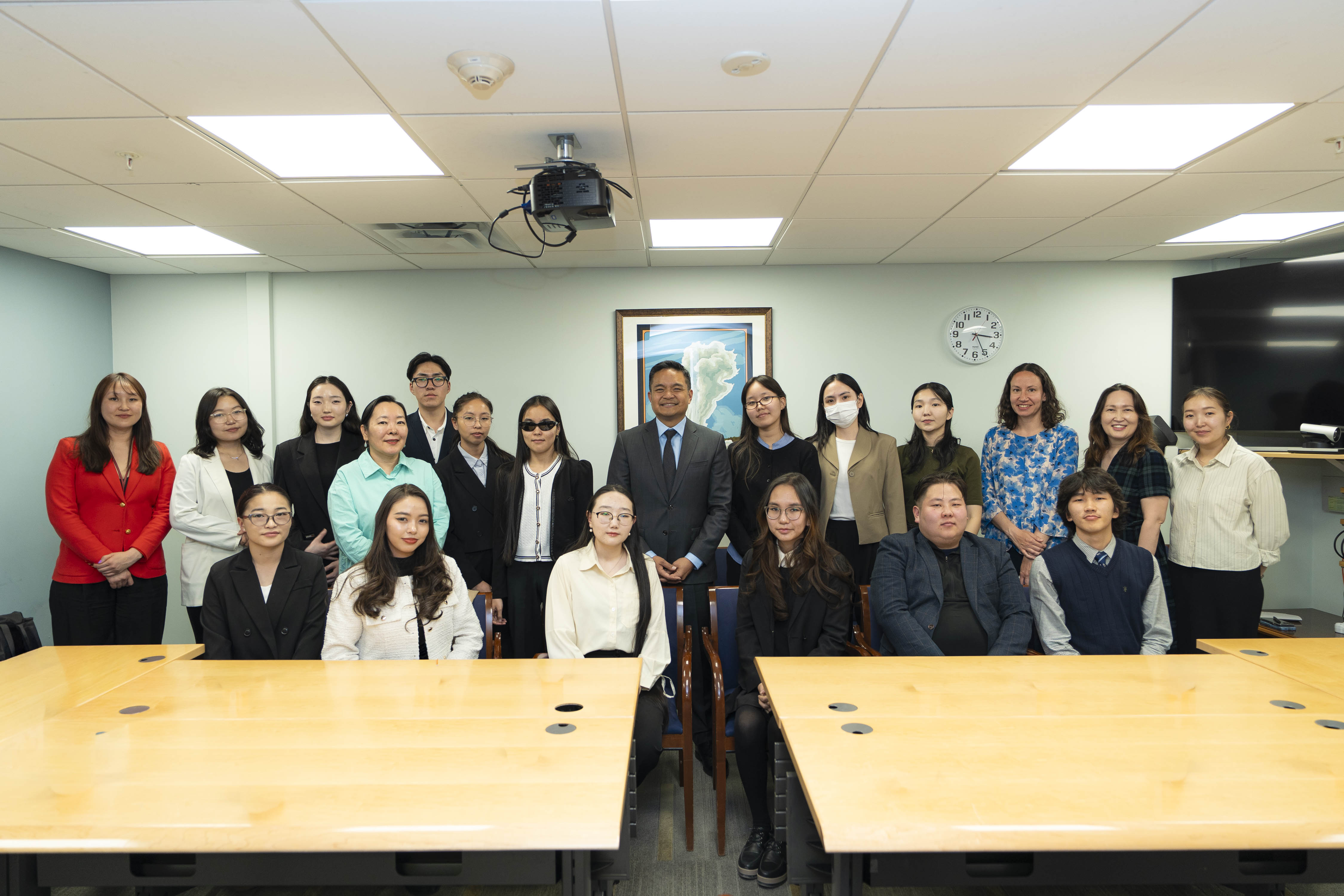
On April 28, 2026, a group of International Relations students from the School of Political Science, International Relations, and Public Administration, National University of Mongolia, had an invaluable opportunity to visit the U.S. Embassy in Ulaanbaatar.
This visit is the latest chapter in a long-standing academic tradition. Senior Lecturer Oyunsuren Damdinsuren first initiated it in 2014 with a visit to the UK Embassy. Since then, it has become an important part of her “Diplomatic and Consular Relations” course, with students visiting different embassies every year to gain firsthand exposure to real-world diplomacy.
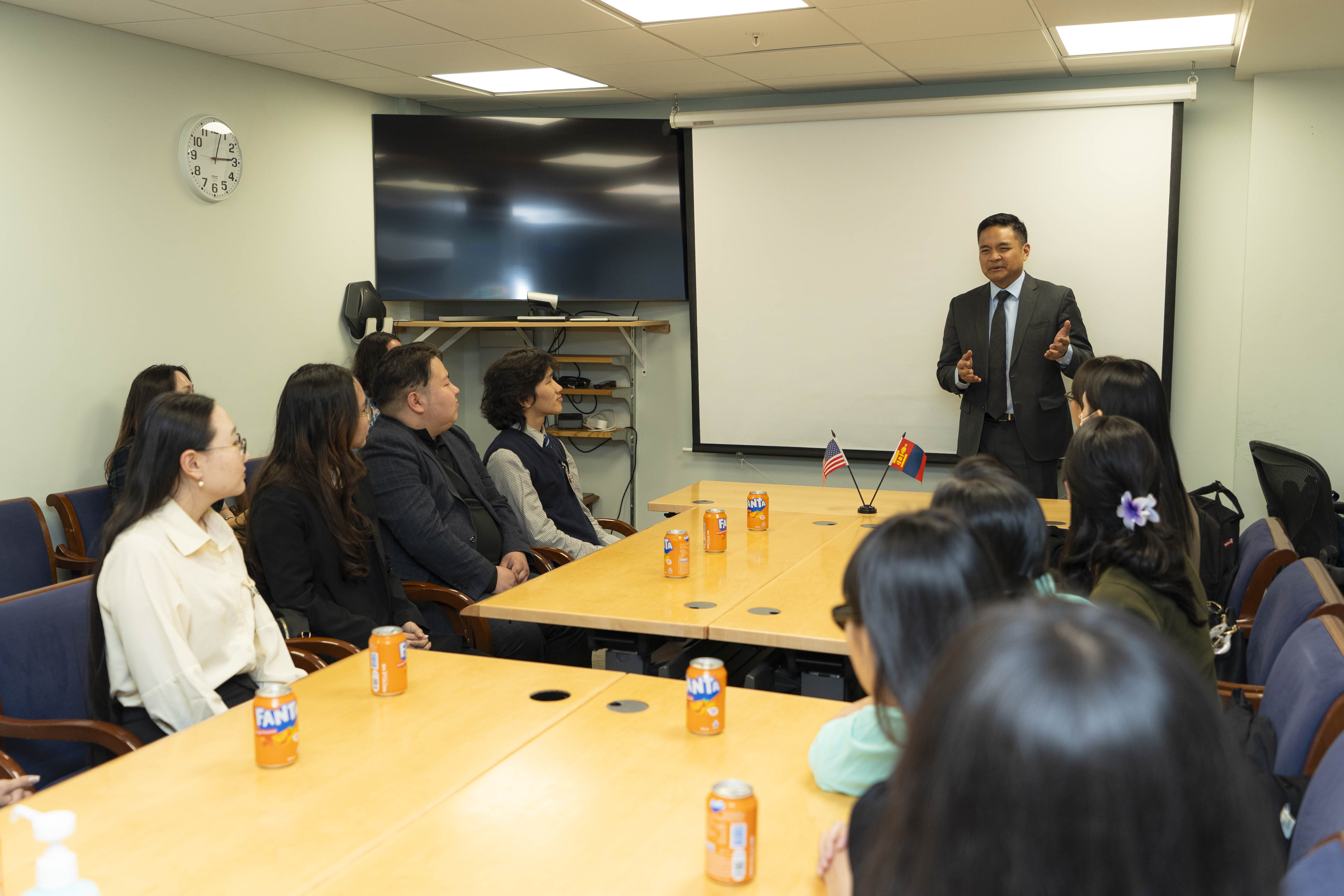
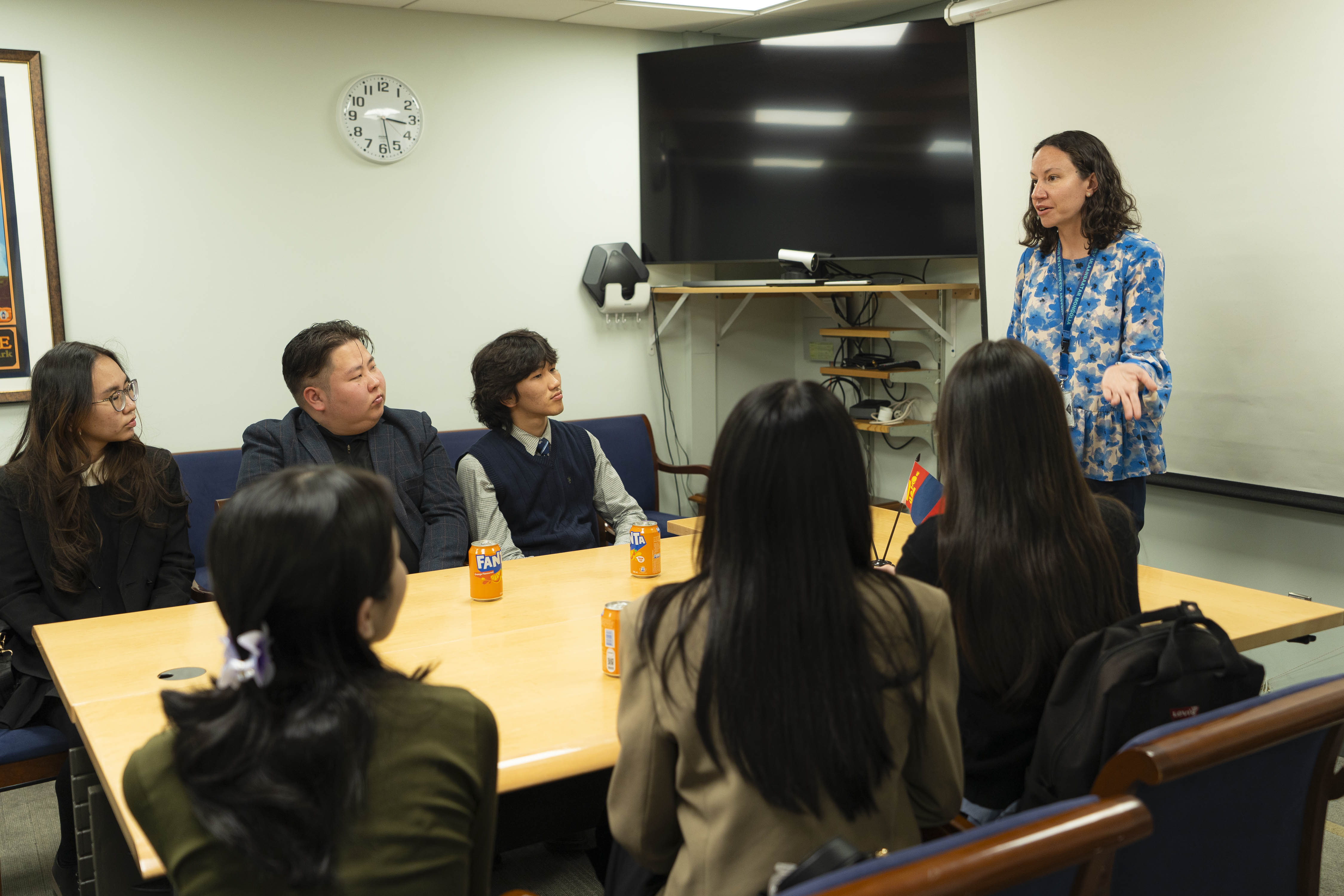
During the visit, we were warmly received by Richard Buangan, U.S. Ambassador to Mongolia, and Emma Lomax, Political Section Chief. We had an engaging and insightful discussion, during which Ambassador Buangan shared his professional experiences and perspectives on diplomacy. In particular, we learned about the U.S.-Mongolia Strategic Third Neighbor Partnership and its importance in strengthening bilateral relations between our two countries.
We also discussed practical issues such as visa policy and ongoing efforts to improve accessibility and streamline processes for Mongolian citizens. These real-world topics helped us better understand how diplomacy directly affects people’s lives.
One of the key lessons we took from the discussion was the importance of adaptability, openness, and cultural awareness in diplomatic practice. Ambassador Buangan emphasized that successful diplomats must approach other countries with respect, curiosity, and a willingness to learn. This perspective was particularly meaningful for us as students preparing for future careers in international relations.
When one of us asked about the challenges he faced early in his career, Richard Buangan candidly shared, “When I first started, writing diplomatic cables was a big challenge. I couldn’t quite capture the nuances and proper wording, and my drafts were often returned with corrections.” However, he emphasized that consistent practice made the difference: over time, by regularly writing cables and diplomatic notes, he steadily improved. He encouraged us to view our current studies as preparation for professional life, advising, “You should start practicing your writing early, so you’ll be ready when you enter the workforce.”
A particularly lighthearted moment came when Ms. Oyunsuren asked the Ambassador whether he knew his “Mongolian nickname.” Smiling, he replied, “I hope it’s not too bad.” She then shared that many Mongolians fondly refer to him as “Сэтгэлсайхан,” meaning “kindhearted,” prompting laughter and adding a warm, personal touch to the visit.
As part of the event, we participated in a short quiz on U.S. history, politics, and culture. This activity made the visit both educational and enjoyable, encouraging active participation from all of us. The top performing participants received commemorative gifts marking the 250th anniversary of the United States.
Following the discussion, we were given a guided tour of the Embassy, including the Political Section, Consular Section, Economic Section, Management Section, and the Public Affairs Section. This provided us with a rare opportunity to observe how diplomatic work is carried out in practice. We gained a clearer understanding of the day-to-day responsibilities of diplomats, including policy analysis, reporting, and coordination.
Overall, this visit was an enriching and inspiring experience for all of us. It helped bridge the gap between theory and practice, deepened our interest in diplomacy, and motivated us to pursue careers in international affairs with greater confidence and clarity.
We would like to express our sincere gratitude to the U.S. Embassy staff, especially to Ms.Zolboo Gulguu from the Political Section, for their warm hospitality and for providing us with this valuable learning opportunity.